Pallets
Wooden and plastic pallets in various sizes and grades. From Grade A to economy Grade C, request what you need from partner suppliers across Arizona.
Get a Free Quote
A partner supplier in our network follows up on your request
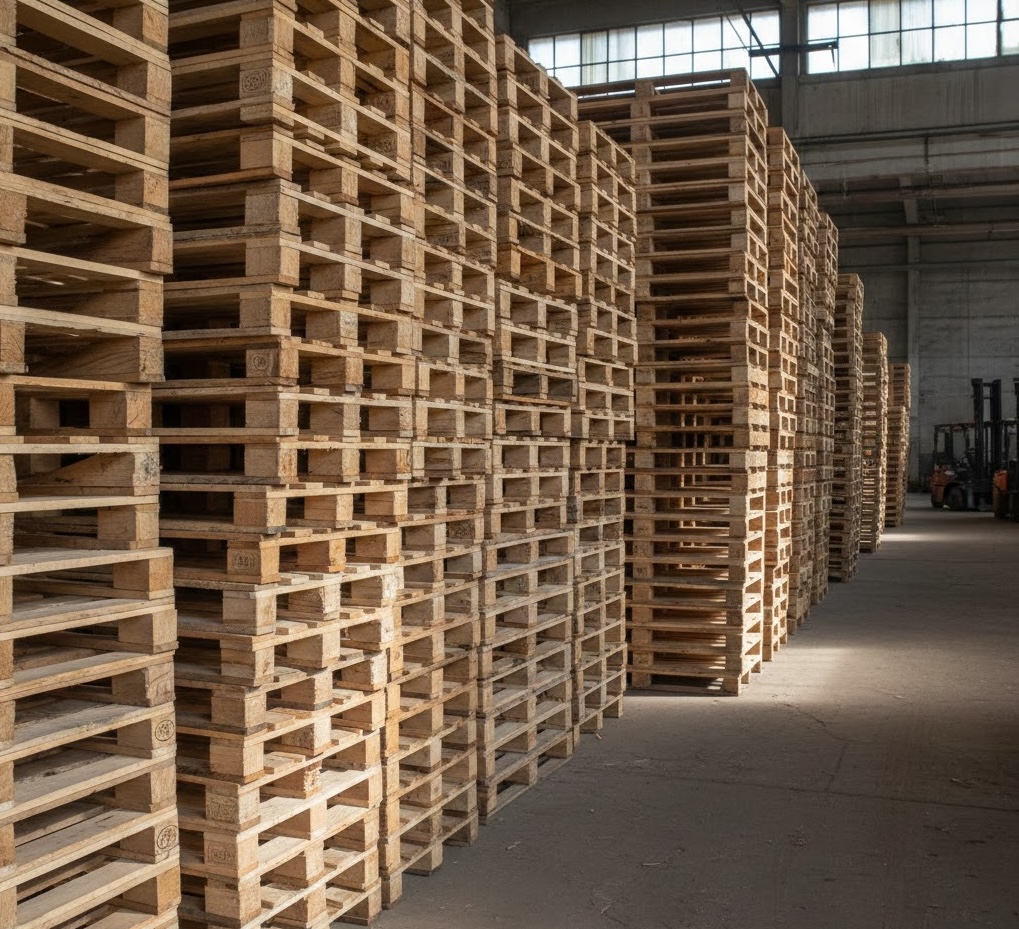
Pallets for Every Application
Arizona Packaging Solutions matches your request for wooden or plastic pallets with partner suppliers in our network. Whether you need Grade A pallets for export or economy Grade C for single-use applications, tell us what you need.
- Wide variety of sizes and grades
- Heat-treated (HT) options for export
- Custom sizes available on request
- Sell your used pallets through partner suppliers
Pallet Grades
Common industry grades for used pallets
Premium Quality

- Like-new appearance
- No repairs or damage
- Full structural integrity
- Ideal for export and retail
Best for customer-facing operations, export shipping, and applications where appearance matters.
Good Condition
- Minor cosmetic wear
- Possible minor repairs
- Fully functional
- Great value option
Perfect balance of quality and price. Suitable for most warehouse and distribution operations.
Economy Option
- Visible wear and repairs
- Structurally sound
- Most economical grade
- Ideal for single use
Best value for internal use, one-way shipping, or when appearance isn't a priority.
Standard Sizes
Common pallet sizes, with custom sizes available through partner suppliers
Pallet Types
Wood and plastic options to suit your needs
Wood Pallets
Traditional wooden pallets remain the industry standard. Heat-treated (HT) pallets for international shipping under ISPM-15 are available through partner suppliers.
- Cost-effective
- Easily repaired
- Recyclable
- Heat treatment available
Plastic Pallets
Durable plastic pallets suited to closed-loop and wash-down applications where easy cleaning matters.
- Hygienic and easy to clean
- Long lifespan
- Consistent weight
- No splinters or nails
Why Choose Used Pallets?
Reasons businesses choose used pallets
Cost Efficiency
Used pallets usually cost less than new ones while providing the same functionality for most applications. Pricing is by quote from partner suppliers.
Environmental Responsibility
Reusing a pallet avoids building a new one, and recycling wood pallets at end of life keeps the material in use.
Local Availability
Partner suppliers in our network carry pallets in various sizes and grades. Availability depends on partner suppliers.
Custom Solutions
Need non-standard sizes? Partner suppliers can often source or build custom pallets to your specifications.
Common Industries
Pallets are the backbone of supply chains across every industry
Retail & Grocery
Product distribution, store restocking, warehouse storage, display pallets
Manufacturing
Raw material handling, work-in-progress storage, finished goods shipping
Food & Beverage
Cold storage, beverage distribution, warehouse storage
Agriculture
Produce transport, feed storage, equipment shipping
Automotive
Parts distribution, assembly line supply, export shipping
Construction
Building materials, tool transport, site storage
E-commerce
Fulfillment centers, last-mile distribution, returns processing
Pallet Care & Maintenance
Maximize the lifespan of your pallets with proper handling and storage
Storage Best Practices
- Store pallets in a dry, covered area to prevent moisture damage
- Keep stacks to a stable, safe height
- Keep pallets off bare ground to prevent rot and pest infestation
- Rotate stock using FIFO (first in, first out) method
Handling Guidelines
- Use proper forklift technique - enter from the correct side
- Never exceed the pallet's weight capacity
- Inspect pallets before each use for damage
- Remove pallets from service if boards are cracked or missing
Inspection Checklist
- Check for broken or missing boards on deck and bottom
- Verify stringers/blocks are intact and not cracked
- Look for protruding nails that could cause injury
- Ensure the pallet sits flat without rocking
Wood vs. Plastic Pallets
Compare to find the right choice for your application
Sell Your Used Pallets
Don't let excess pallets take up valuable warehouse space. Partner suppliers in our network buy used pallets, so they go back into use instead of sitting idle.
- Pickup available through partner suppliers
- Offers based on grade and condition
- Damaged pallets can often go to recycling
- A partner supplier follows up on your request
- Requests from across Arizona; availability depends on partner suppliers
Frequently Asked Questions
Get answers to common questions about pallets
What is the difference between stringer and block pallets?
Stringer pallets use 2x4 boards (stringers) running lengthwise to support the deck boards. They're typically 2-way entry. Block pallets use blocks at the corners and center to support the deck, allowing 4-way forklift entry. Block pallets are stronger but more expensive.
What does ISPM-15 heat treatment mean?
ISPM-15 is an international standard requiring wood packaging materials to be heat-treated to eliminate pests. Pallets must be heated to a core temperature of 56°C for at least 30 minutes. Heat-treated pallets are marked with an HT stamp and are required by many countries for international shipping.
How much weight can a standard pallet hold?
Capacity depends on the pallet's construction, wood species, condition, and grade, and a pallet holds more sitting still (static load) than while being moved (dynamic load). Grade A pallets generally handle heavier loads than Grade C. Confirm the rating for your load with the partner supplier.
Can I get pallets delivered?
Yes. Delivery is available through partner suppliers, and we take requests from across Arizona; availability depends on partner suppliers. Include your location and quantity in the quote request.
Can I sell my used pallets?
Yes. Partner suppliers in our network buy used pallets, and pickup is available through partner suppliers. Grade A and B pallets usually draw better offers, and damaged pallets can often go to recycling.
What's the minimum order quantity?
Minimum quantities are set by each partner supplier and vary by grade, size, and delivery location. Include your quantity in the quote request and a partner supplier follows up on your request.
How do I know which grade to choose?
Grade A for export, retail display, or when appearance matters. Grade B for general warehouse use and most shipping needs. Grade C for one-way shipping, internal use, or when cost is the primary concern. Note your application in the quote request and partner suppliers can advise.
Are plastic pallets better than wood?
It depends on your use case. Plastic pallets are more hygienic, last longer, and suit wash-down environments. Wood pallets are more cost-effective, easier to repair, and widely available. For most general applications, wood pallets offer the best value.
Need Pallets?
Request a free, no-obligation quote. We match your request with partner suppliers in our network, and pricing is by quote from partner suppliers.
Request a Quote